Everything Orchards

From protecting old orchards, creating new ones, discovering why orchards are great for wildlife and learning more about the Marcher Apple Network’s Paramor Orchard, see below for further information

Disappearing Traditional Orchards

Why Orchards Matter

Great for wildlife

Traditional orchards have been around for centuries. Hay meadows, hedges, aging trees with decaying wood and windfall fruit in old orchards entice a huge variety of wildlife. Sadly over 80% have disappeared – but luckily a number have survived in the Welsh Marches.
Traditional Orchards have recently been recognised for their importance to wildlife by being added to Local Biodiversity Action Plans. But they have no protection from development.

Fantastic for us

Not only are Traditional Orchards great for wildlife – we admire their magnificent position in the landscape – particularly at blossom time or when trees are bending with ripe apples. We also enjoy their heritage-variety fruits, whether making cider, perry, juice, or preserves or simply eating straight off the tree. Traditional Orchards provide a living record of our orchard-keeping past – and they need our protection. And we can help preserve their heritage varieties by planting new orchards.
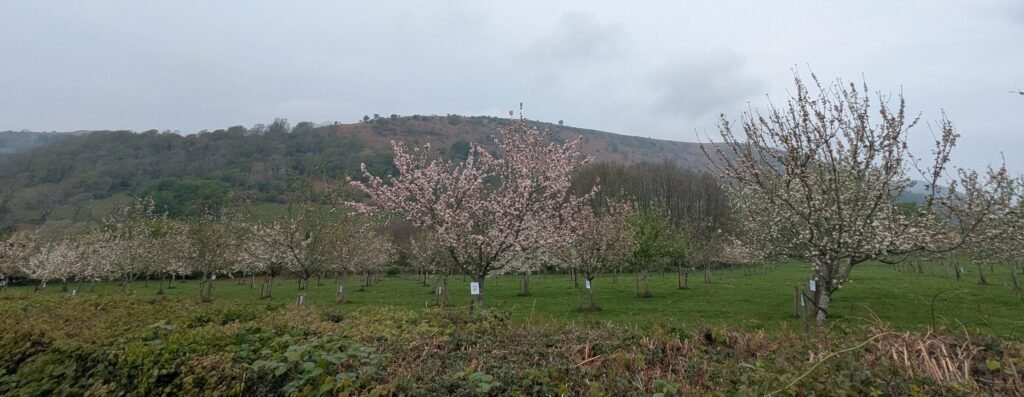
Paramor in Blossom 26.4.25

Marcher Apple Network’s Paramor Orchard

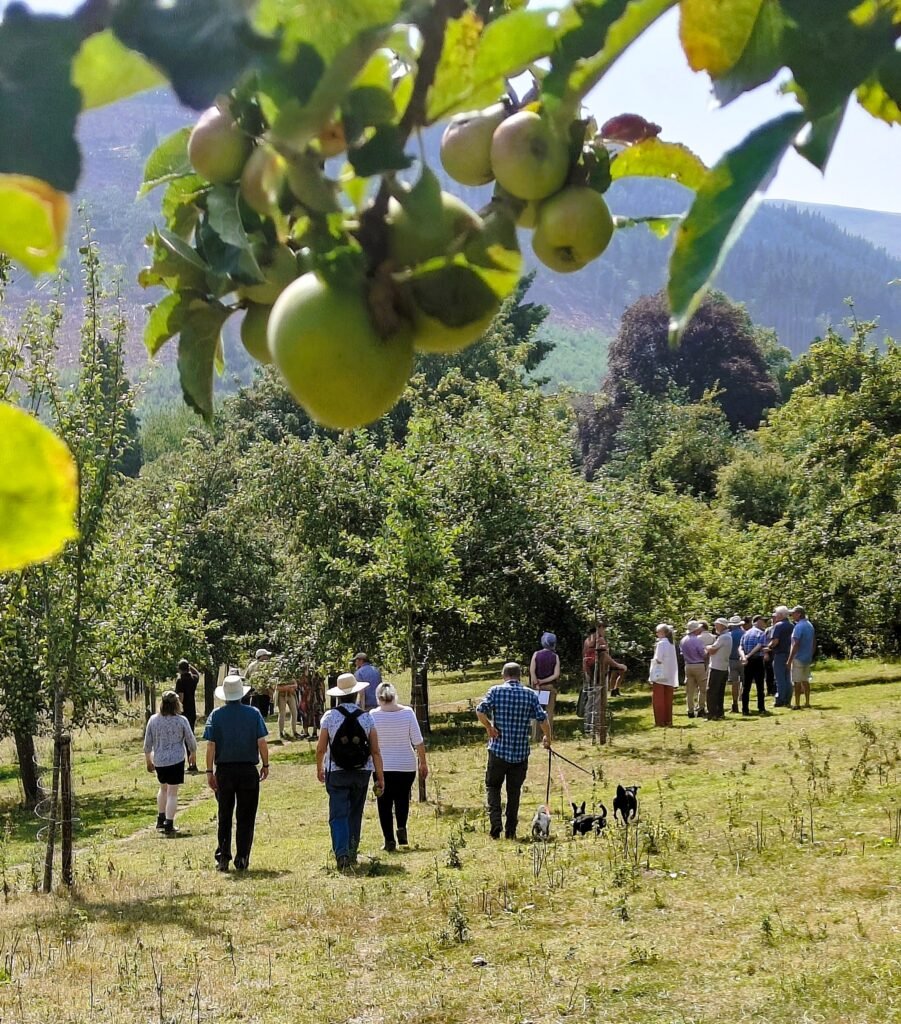
Paramor is owned by MAN and is our main collection on about 2.2 ha (5 acres). There are over 160 standard M25 trees mainly of local heritage varieties including those described in Welsh Marches Pomona and Apples of the Welsh Marches. Another 140 trees in the ‘Nursery’ area are trees grown on semi-dwarfing MM106. Members are free to visit the orchard.

MAN orchard visit Aug 2025 showing members going around orchard with huge standard trees with apples hanging in foreground tree

Caring for Traditional Orchards

The People’s Trust for Endangered Species (PTES) have been running a project on Traditional Orchards and their website has some excellent guidance on how to record and look after them.

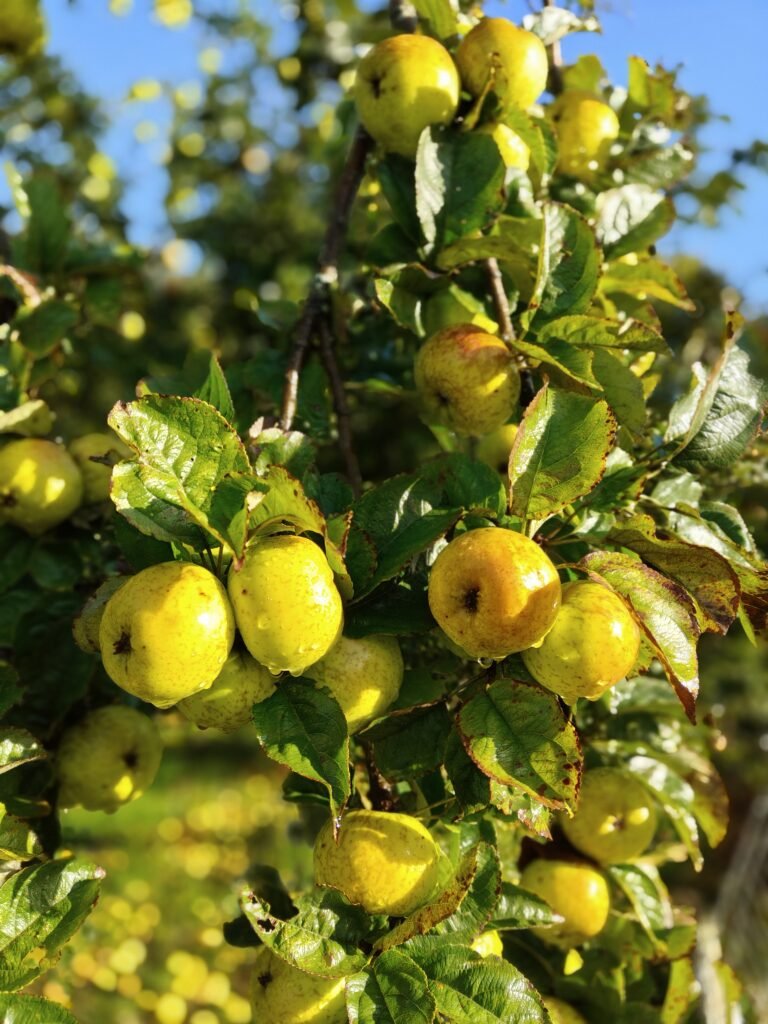
Marged Nicolas yellow apples after rain - a Welsh Heritage Variety

Creating new Heritage Variety Orchards

The People’s Trust for Endangered Species (PTES) have a range of excellent guides on their website on establishing new orchards and growing apple trees.

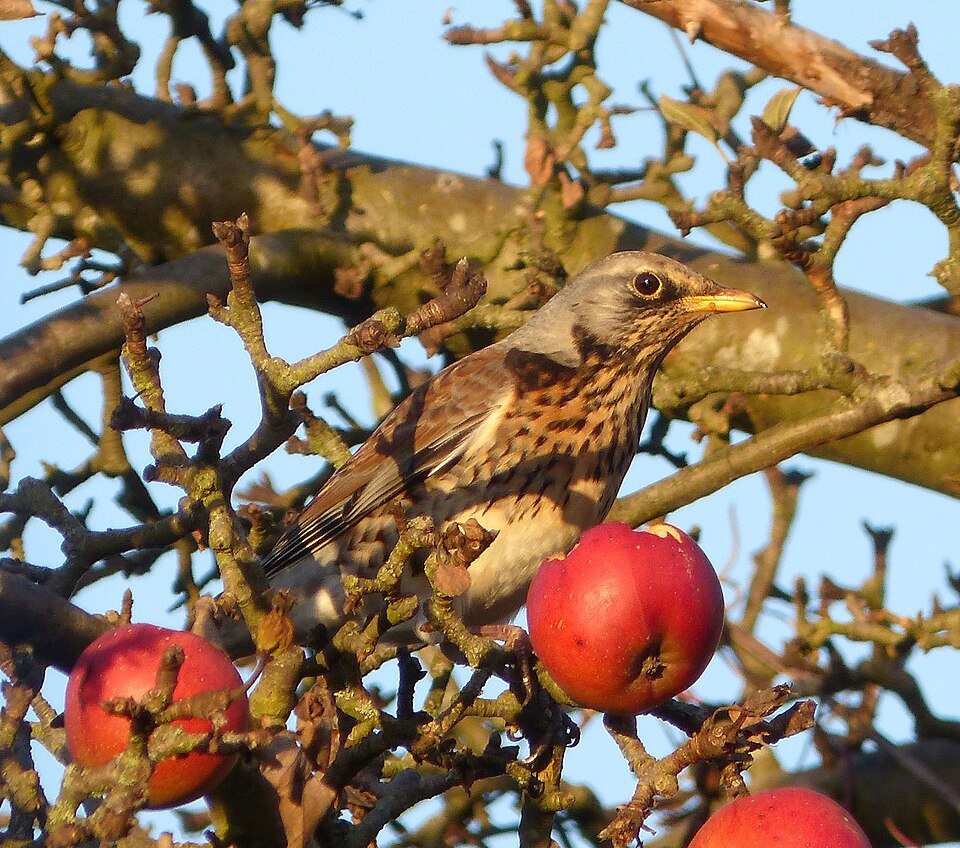
Fieldfare eating apples on a tree © Gail Hampshire CC BY 2.0

Orchards and wildlife

Despite being fantastic for wildlife most Traditional Orchards are not protected. The People’s Trust for Endangered Species (PTES) provides some fascinating information about just how vital they are for wildlife on their website.

Join us

Join the Marcher Apple Network and meet like-minded fruit and orchard enthusiasts

Scroll to Top